Malawi: Where Ecological Justice Meets Human Resilience
STM professor Dr. Lesya Sabada shares insights from visit to African country at the intersection of ecological fragility and social vulnerability
By Dr. Lesya Sabada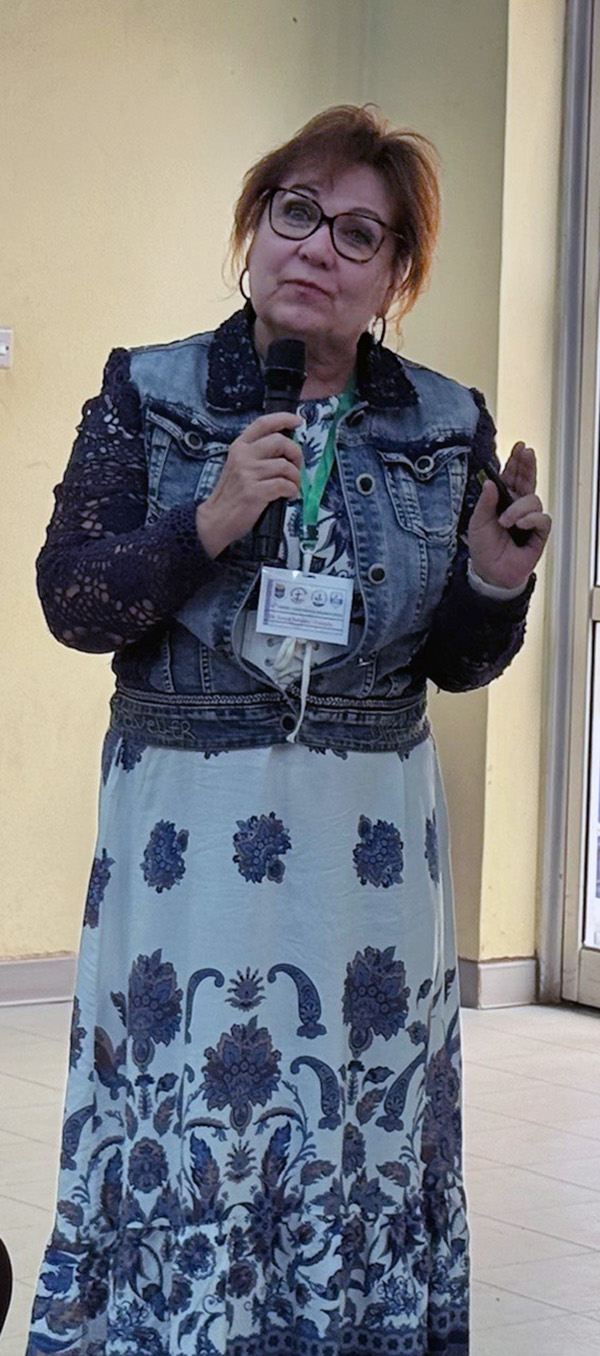
When I first dreamed of teaching in Africa at sixteen, I could not have imagined how profoundly that dream would shape my life.
Decades later, in 2012, that early longing crystallized into Sustainable Alternatives for Poverty Reduction and Ecological Justice (SAPREJ) — a group of educators committed to working in some of the world’s most challenging contexts.
Our mission is simple but radical: poverty alleviation and ecological justice must advance together. They are not parallel crises; they are interlocking wounds.
SAPREJ emerged from the conviction that sustainable development requires ecological stability, and ecological justice requires confronting the social inequalities that make communities vulnerable to environmental harm.
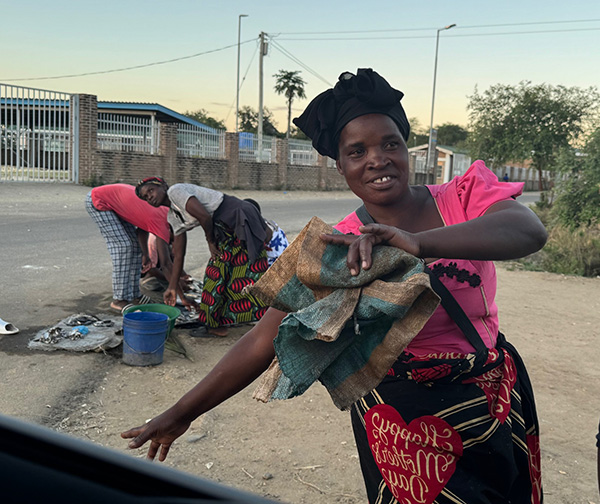
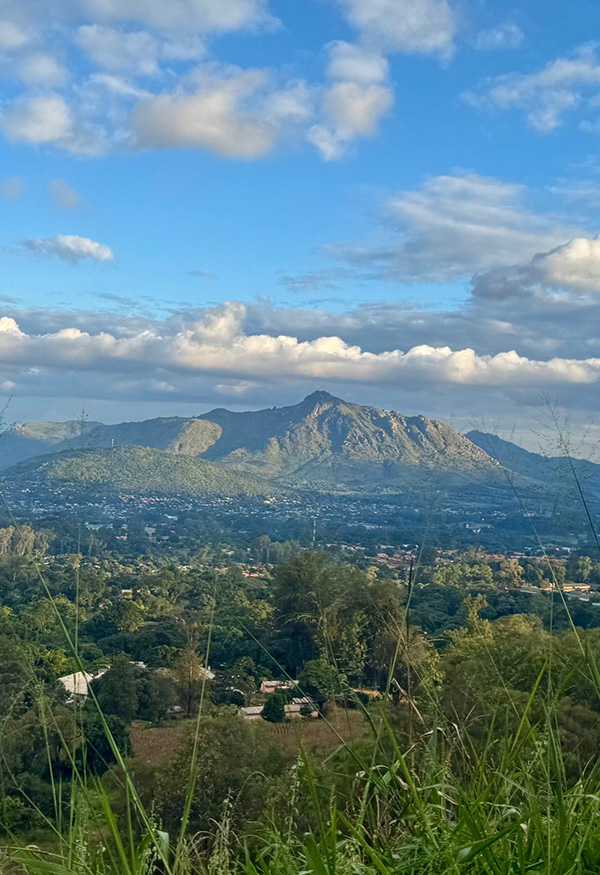
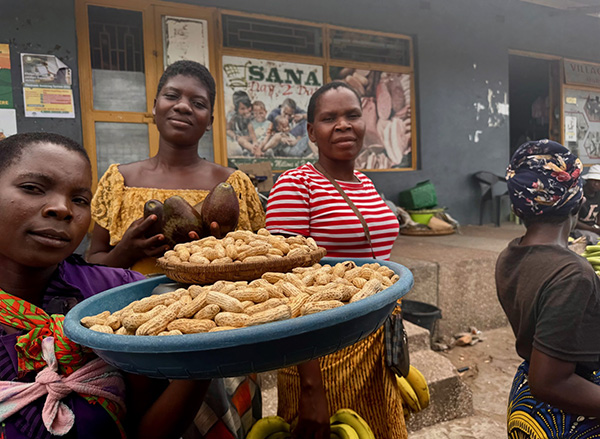
In 2024, this work brought me to Malawi — a landlocked country in southeastern Africa whose realities both shattered and expanded my understanding of resilience, hope, and justice.
Why Malawi?
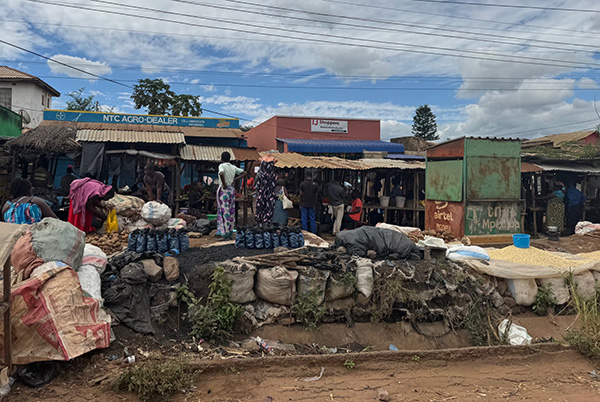
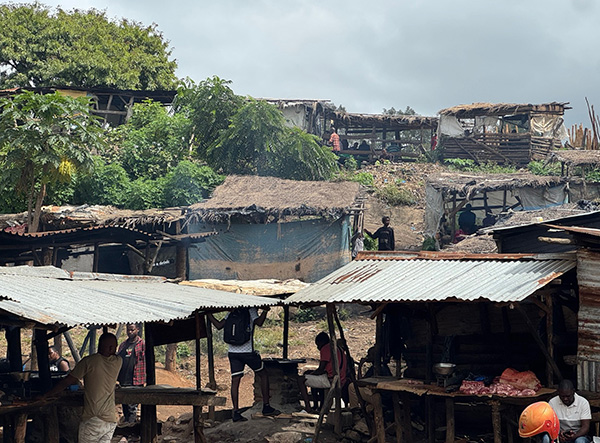
Malawi is consistently ranked among the world’s lowest‑income economies, positioned 172nd on the Human Development Index and often listed among the five poorest nations globally.
Over 70 per cent of Malawians live below the international poverty line of $2.15US per day. Climate shocks— floods, droughts, cyclones — strike with increasing frequency, undoing development gains and deepening food insecurity.
Yet, Malawi is also one of Africa’s most peaceful nations, sustained by a spiritual depth that anchors collective hope.
SAPREJ chose Malawi precisely because it sits at the intersection of ecological fragility and social vulnerability. It is a place where the stakes of our work are unmistakably clear.
A First-of-Its-Kind Gathering
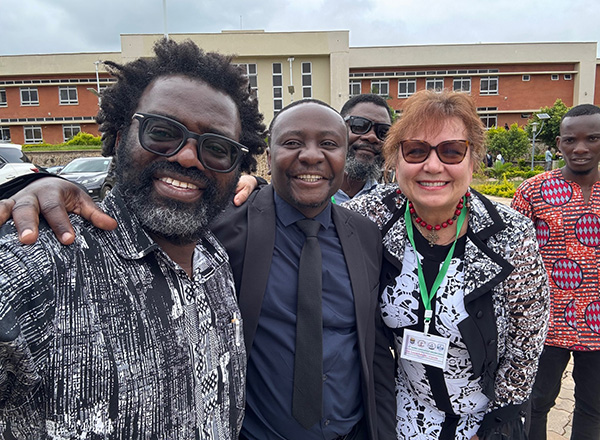
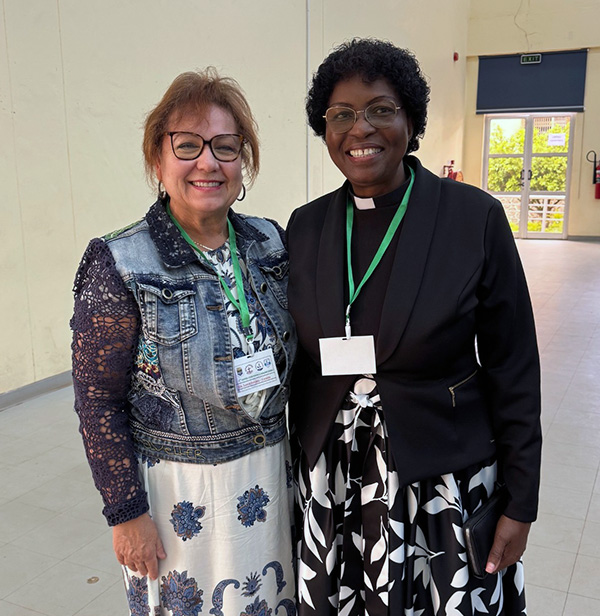
Our conference in Zomba, a city of more than 105,000 people in southern Malawi, was described by Dr. Louis Ndekha as “the first of its kind in Malawi,” drawing together five universities — University of Malawi, University of Blantyre Synod, Zomba Theological University, Malawi Assemblies of God University, and Evangelical Bible College.
The participants represented a wide spectrum of Christian traditions, from Reformed to Evangelical to Pentecostal, and even included members of the banking sector.
The diversity of voices created a rare space for theological and ecological dialogue. As the lone Eastern Christian in the room, my perspective on justice issues was markedly different. At one point, colleagues joked, “Lesya, you are either a heretic or a mystic,” and another added, “Had you not been in an academic setting, you would have been burnt at the stake.”
Humor became a bridge across traditions, allowing us to stretch beyond our comfort zones while remaining grounded in shared purpose.
Hippos and the Intelligence of Ecosystems
After days of intense discussion, Louis and his wife took me to Liwonde National Park — a sanctuary where the quiet intelligence of ecosystems becomes palpable.
Hippos dominated the river, their grunts and splashes echoing through the reeds. We watched mothers nudge calves, adolescents play, and entire pods communicate through subtle shifts of posture. They are gentle in appearance yet immensely powerful, essential to Malawi’s river systems and dangerous when provoked.
As we drifted past them, I silently prayed we would not fall into the water.
In that moment, the weight of modern crises fell away. I felt renewed, reminded that ecosystems have been regenerating themselves long before humans arrived — and that ecological justice is ultimately about protecting these ancient rhythms.
The Personal Impact
Malawi left an imprint on me that is difficult to articulate but impossible to ignore.
First, the country is under immense strain. The war in the Middle East disrupted fuel supply chains, leaving Malawians waiting in kilometre‑long lines for gas. The hardship was visceral, immediate, and unrelenting.
Second, despite these pressures, Malawi remains peaceful. Religious institutions provide moral grounding and collective hope — disciplined, not naive.
Third, Malawi’s youth astonished me. One of the youngest populations in the world, they innovate with frugality and creativity born from constraint rather than abundance.
Fourth, resilience in Malawi is communal. In the West, resilience is framed as individual grit; in Malawi, it is shared strength, generosity, and interdependence.
Fifth, even after many trips to Africa, Malawi stretched my worldview. I met humanitarians who embody the best of humanity — joyful, generous, courageous in grim conditions. Local Malawians showed me work cultures rooted in camaraderie and collective responsibility.
Sixth, I was deeply moved by the young men who risk their lives to protect wildlife. They are guardians of biodiversity and heroes for the planet.
Finally, I left Malawi with a heavy heart. The realities are harsh, and the challenges immense. Yet I also left with profound gratitude. Malawi is full of people fighting like warriors against despair — caring not only for their families but for their communities, their country, and the world.
Malawi taught me that ecological justice is not an abstract concept. It is lived, embodied, and fought for every day. And it reaffirmed why SAPREJ exists: to stand with those who carry the heaviest burdens of our shared planet.
Dr. Lesya Sabada is an instructor of Religion and Culture; Catholic Studies; and Peace Studies at St. Thomas More College. Her research areas include: Religious Peacebuilding, Peace Theology of the World's Religions, Religious Peacebuilding and Environmental Ethics, Inter-religious and Intra-religious Peacebuilding, Practical Application of Byzantine Peace Theology, Religion and Science, Catholic Studies, Animal Theology and Rights, Ecotheology, Blue Theology, and Environmental Ethics.